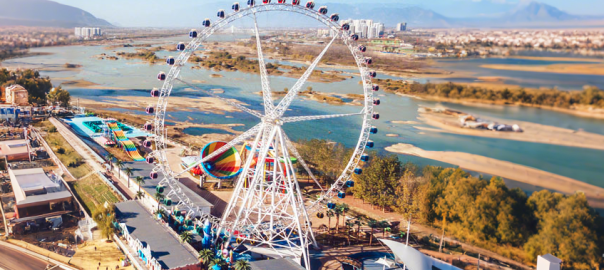
Theme parks are destinations that naturally draw crowds, offering excitement, fun, and memorable experiences for visitors of all ages. Whether you are running a large amusement park or a smaller family-oriented venue, the types of rides you install are critical to the success of your business. Among these, the Ferris wheel remains an iconic attraction. Understanding where Ferris wheels (колесо обозрения купить) are manufactured, the options available, and how they compare to other amusement rides such as a swing tower ride or a Windmill ride can significantly affect your park’s appeal and operational efficiency.
The Origins of the Ferris Wheel
The first Ferris wheel was designed by George Washington Gale Ferris for the 1893 World’s Columbian Exposition in Chicago, Illinois. This invention revolutionized amusement rides (китайские аттракционы) and became a symbol of innovation in theme parks. Its success encouraged multiple companies worldwide to replicate the design, leading to the creation of larger, more technologically advanced wheels. Today, Ferris wheels are manufactured globally, with top production hubs in China, Switzerland, Japan, and the United States.
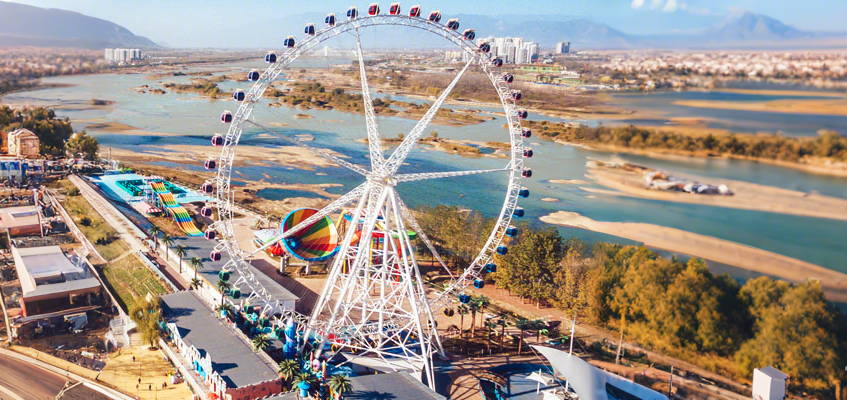
Why Manufacturing Location Matters
The country where a Ferris wheel is made can influence its price, design quality, and safety certifications. For example, manufacturers in the United States often provide original engineering expertise and stringent quality checks, ensuring the ride meets international safety standards. Conversely, Chinese manufacturers offer competitive pricing with high-volume production, allowing park operators to acquire a Ferris wheel at a fraction of the cost without sacrificing reliability. Similarly, Swiss and Japanese manufacturers are known for precision engineering, often producing innovative designs with unique themes.
Choosing the Right Manufacturer
When selecting a manufacturer, it is important to verify their reputation, experience, and client reviews. Visiting official company websites and requesting detailed information about past installations can provide insight into the reliability of their amusement rides. Reputable manufacturers typically offer customizable options, allowing park operators to choose the wheel’s height, cabin capacity, materials, and color. Some even provide after-sales services, including installation guidance and maintenance programs, ensuring long-term safety and operational efficiency.
Comparing Global Production Standards
Different countries follow varying standards in amusement ride manufacturing. US-based manufacturers comply with ASTM and ANSI safety regulations, while European and Japanese companies often follow EN and ISO standards. Chinese factories increasingly adopt international certifications to meet export requirements. When considering a Ferris wheel, compare the production standards, safety records, and warranty options. This ensures your investment aligns with both local regulations and the expectations of your guests.
Ferris Wheels vs Other Amusement Rides
While the Ferris wheel offers a classic, elevated view and a family-friendly experience, it is not the only ride capable of attracting visitors. A swing tower ride (аттракцион седьмое небо) provides exhilarating vertical motion, appealing to thrill-seekers, whereas a Windmill ride combines spinning motion with a whimsical design, creating a visually striking attraction. Including a mix of these amusement rides can diversify your park’s offerings, catering to different age groups and thrill levels.
Height and Design Considerations
The height of a Ferris wheel significantly impacts both the guest experience and manufacturing requirements. Wheels can range from 30 meters to over 200 meters. Taller wheels require stronger motors and structural components, often influencing the choice of manufacturer. Similarly, the design of a swing tower ride or Windmill ride (аттракцион мельница) must account for dynamic loads and passenger safety. Selecting a manufacturer with expertise in these calculations ensures both reliability and comfort for park guests.
Cost Implications Based on Manufacturing Location
The manufacturing location of a Ferris wheel directly affects its cost. In the United States, a standard Ferris wheel may exceed $300,000, while Chinese manufacturers can offer comparable wheels for $5,000 to $30,000 depending on size and specifications. Europe and Japan tend to occupy the mid-to-high price range due to precision engineering and unique design features. Factoring in shipping, installation, and after-sales service costs is essential for budgeting. Additionally, investing in other amusement rides like a swing tower ride or Windmill ride can further enhance park revenue by appealing to broader demographics.
Customization and After-Sales Service
One of the key advantages of purchasing from reputable manufacturers is the ability to customize your ride. Options may include passenger cabin capacity, structural materials, colors, and thematic elements. Many manufacturers also provide comprehensive after-sales services, including periodic inspections, maintenance, and installation assistance. Such services ensure the safety of your visitors and the longevity of the ride. When combined with other amusement rides, a well-planned assortment can create a signature experience for your park.
Final Thoughts on Manufacturing Choices
Understanding the origin, production quality, and services offered by Ferris wheel manufacturers is essential when planning your amusement park layout. Comparing global manufacturers allows you to make informed decisions about cost, design, and safety. Including complementary attractions, such as a swing tower ride or a Windmill ride, ensures your park offers diverse entertainment options that appeal to different age groups and thrill levels. Ultimately, investing in high-quality rides not only enhances guest satisfaction but also strengthens the long-term profitability and reputation of your park.